TECHNOLOGY IN THE PUBLIC INTEREST
New technology from our Lab is changing what is possible in public transit, one challenge at a time.
Technology in the Public Interest is about outcomes for the people who use and operate our city's transportation systems. Our public sector partners are focused on making their systems more accessible to all New Yorkers, more responsive when things change, more efficient and more resilient.
We have developed a model for applied technology development that is transparent, replicable and proven. Here are some of the results.
Case Studies
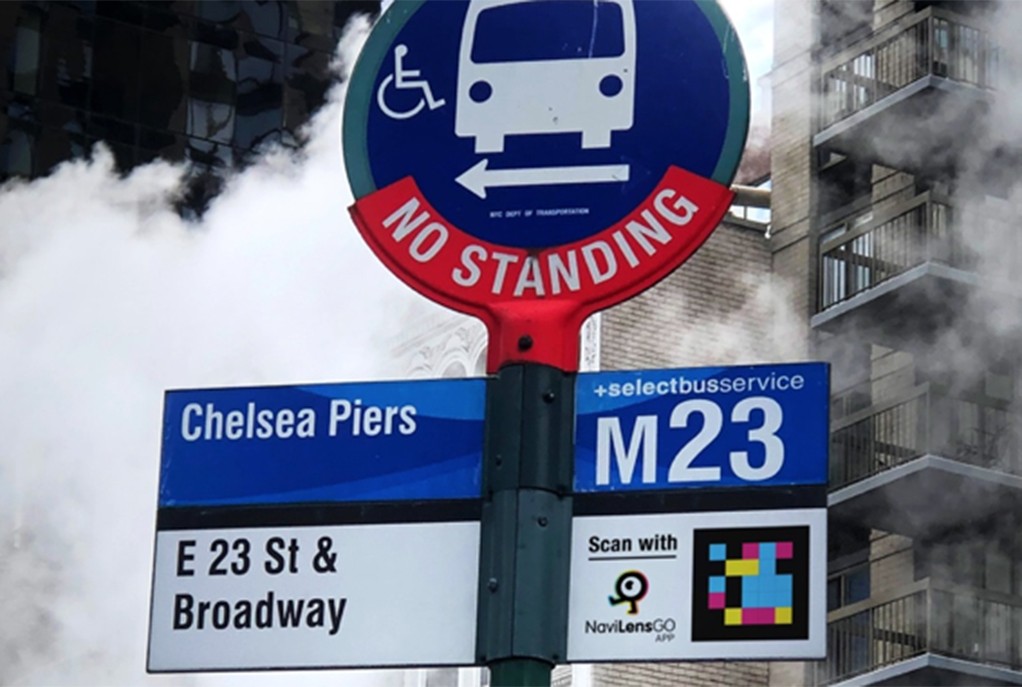
Making public transit more accessible.
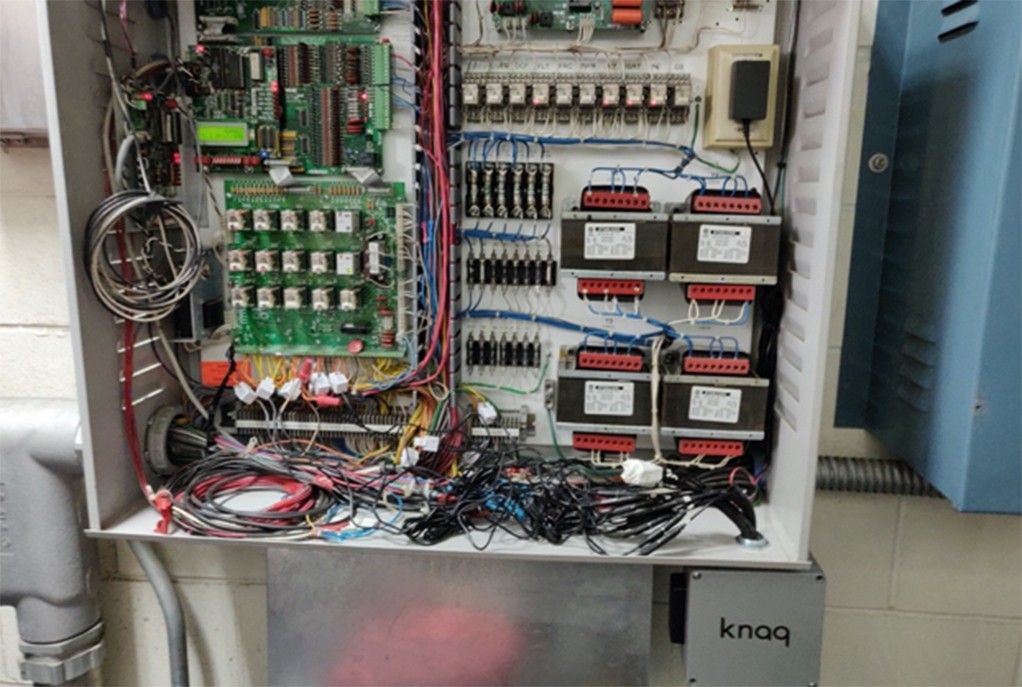
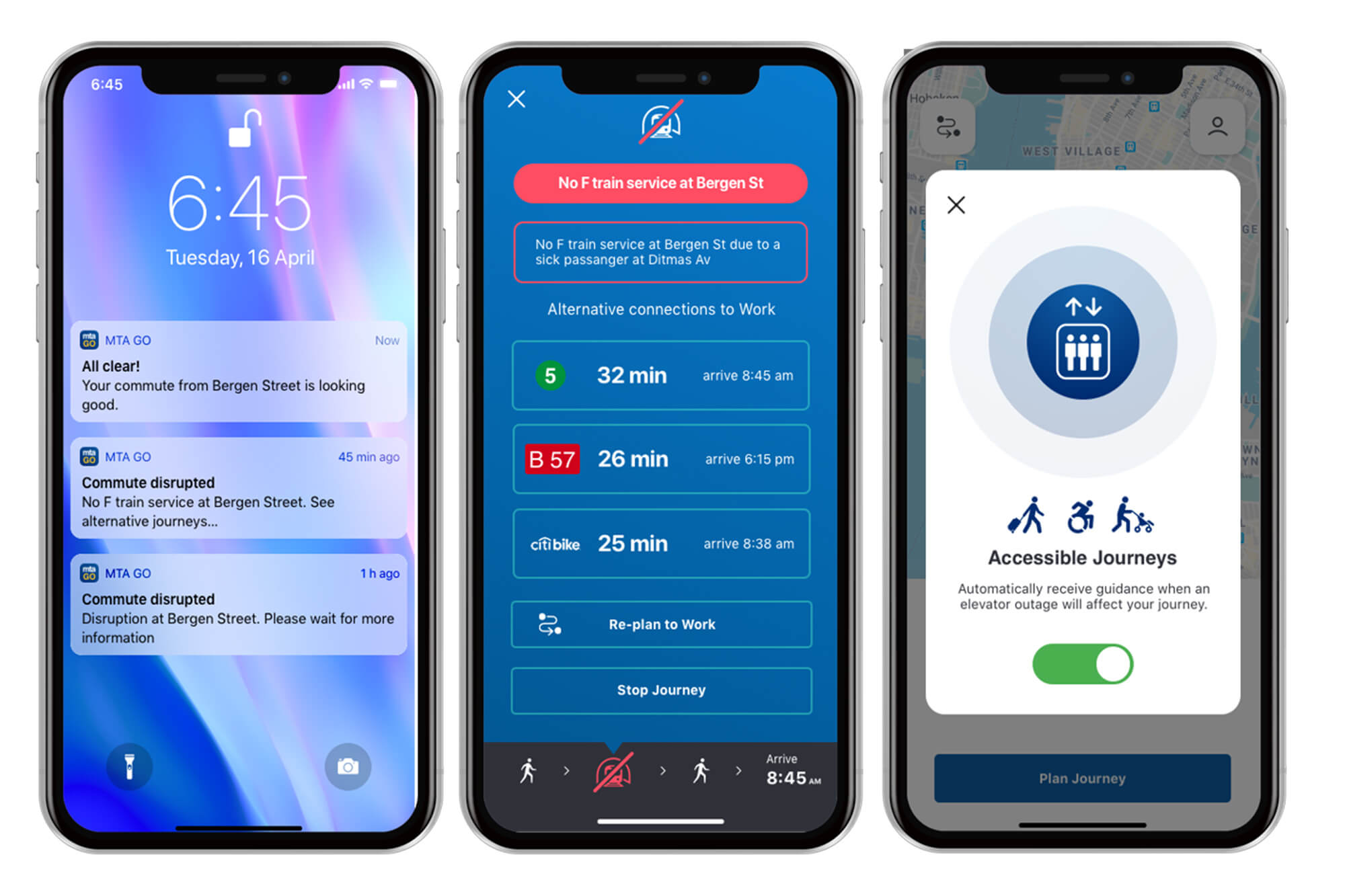
Making public transit more responsive.
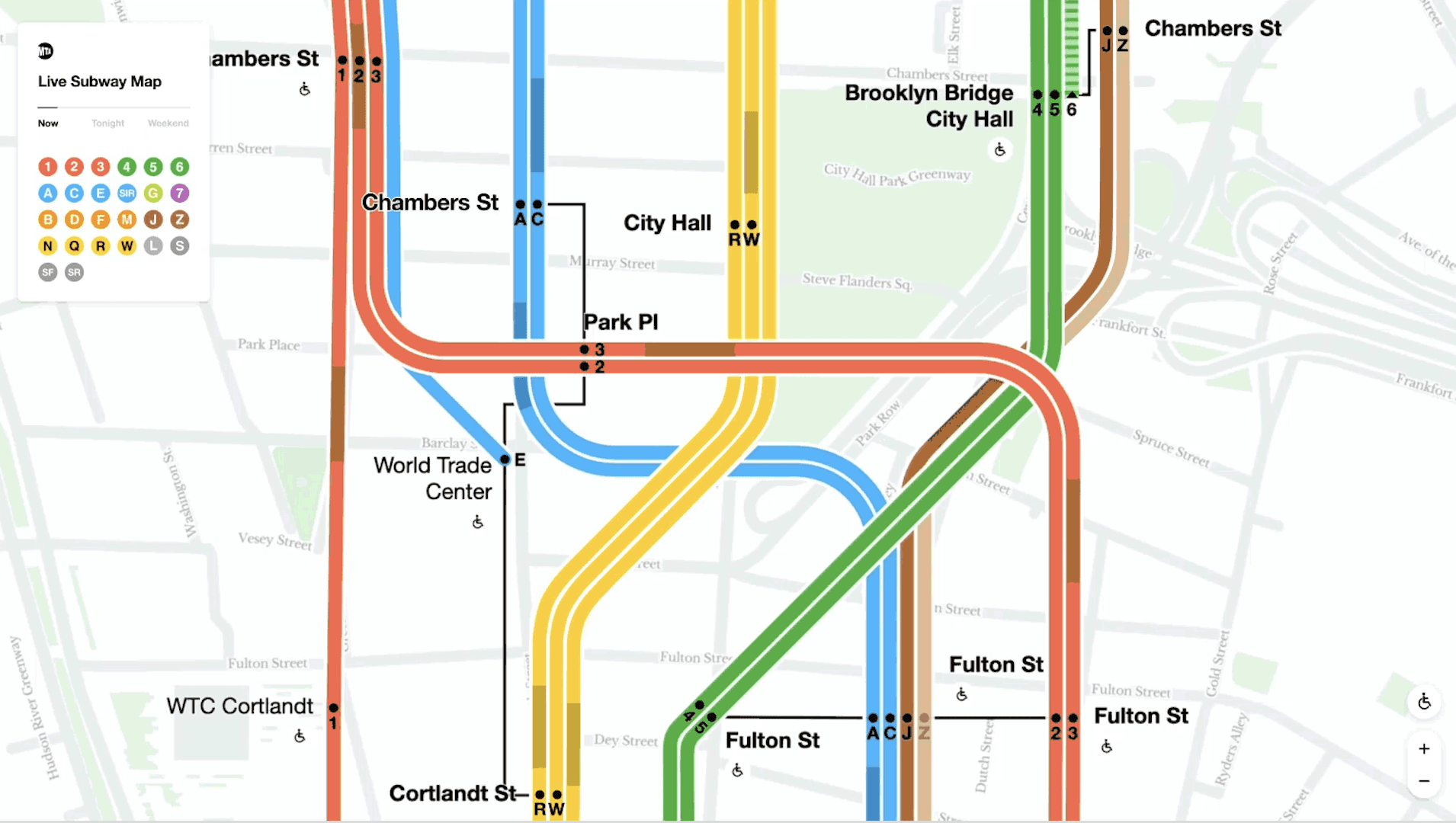
Making public transit more efficient.
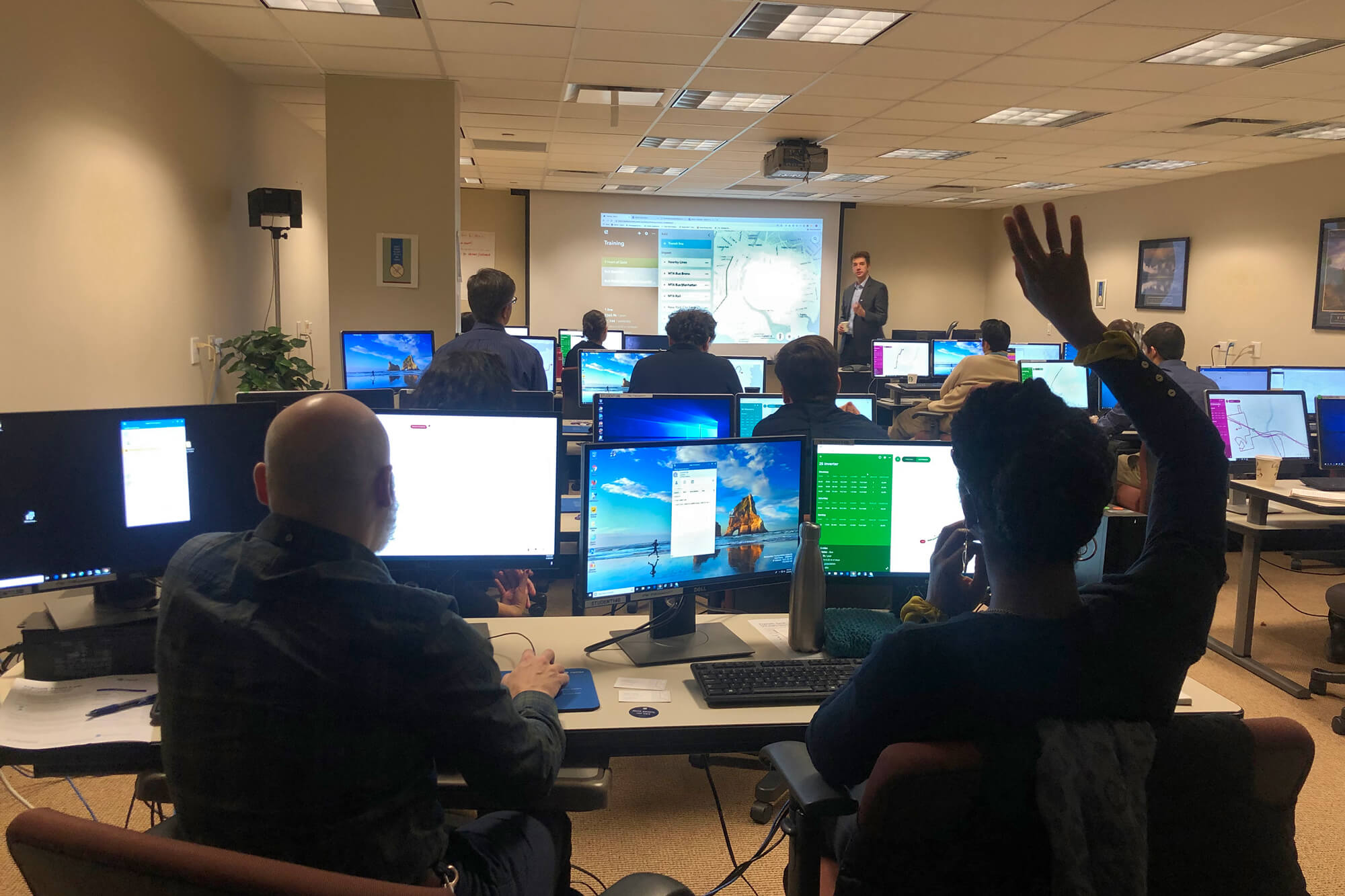
Past Competitions + Proof of Concept Results

Advanced Infrastructure • 2026
How can public agencies better monitor and manage infrastructure?
To improve asset performance, resilience, and lifecycle cost.






Data & Workflow Modernization Challenge • 2026
How can public agencies consolidate data and apply analytics?
To improve service or workforce productivity.


Ridership Improvement Challenge • 2025
How can we accurately measure, capture, and improve paid ridership and travel demand data?
To optimize transit schedules and communicate effectively.

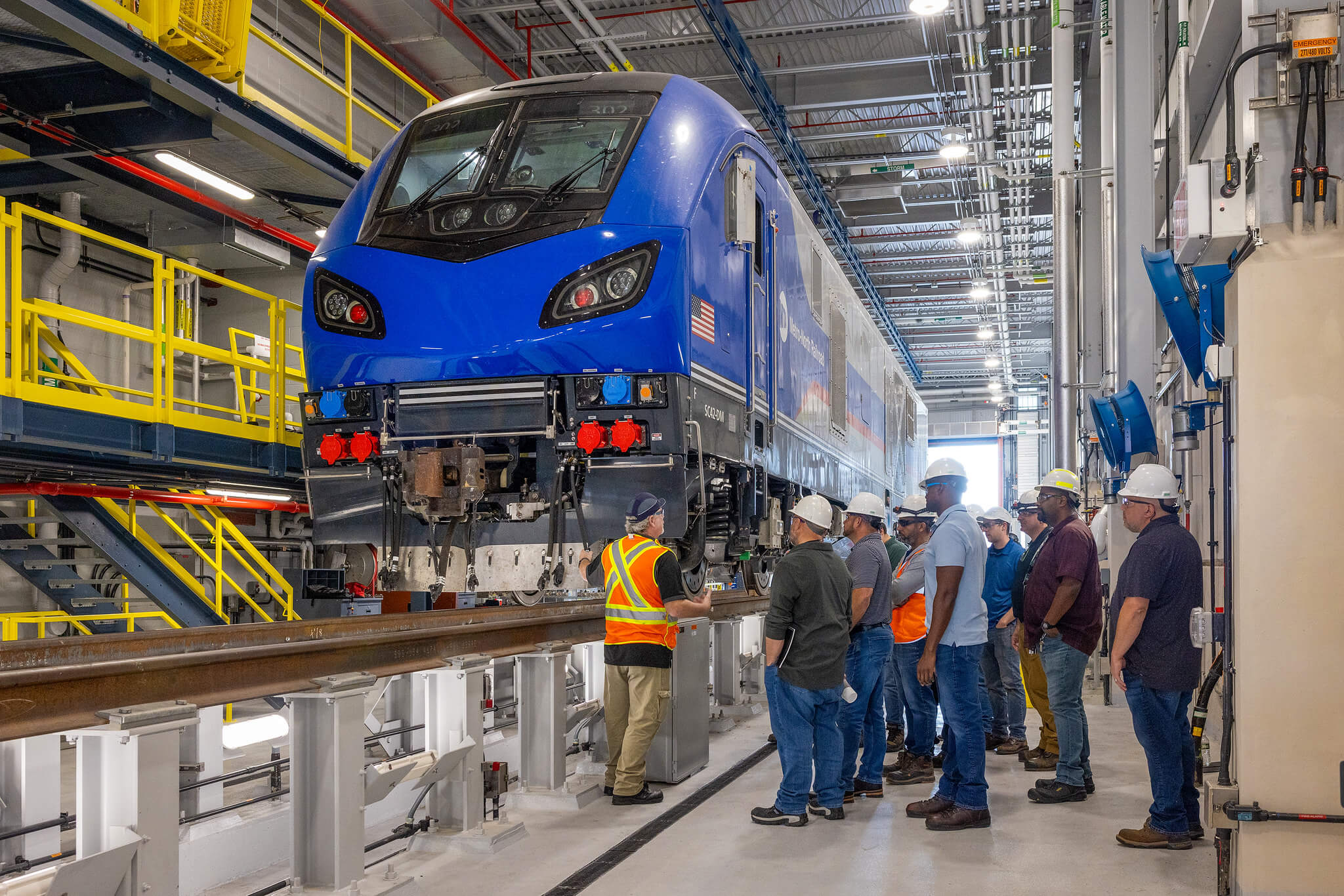
Inspection & Maintenance Challenge • 2025
How can we digitize manual inspections and optimize maintenance processes?








Customer Experience Challenge • 2024
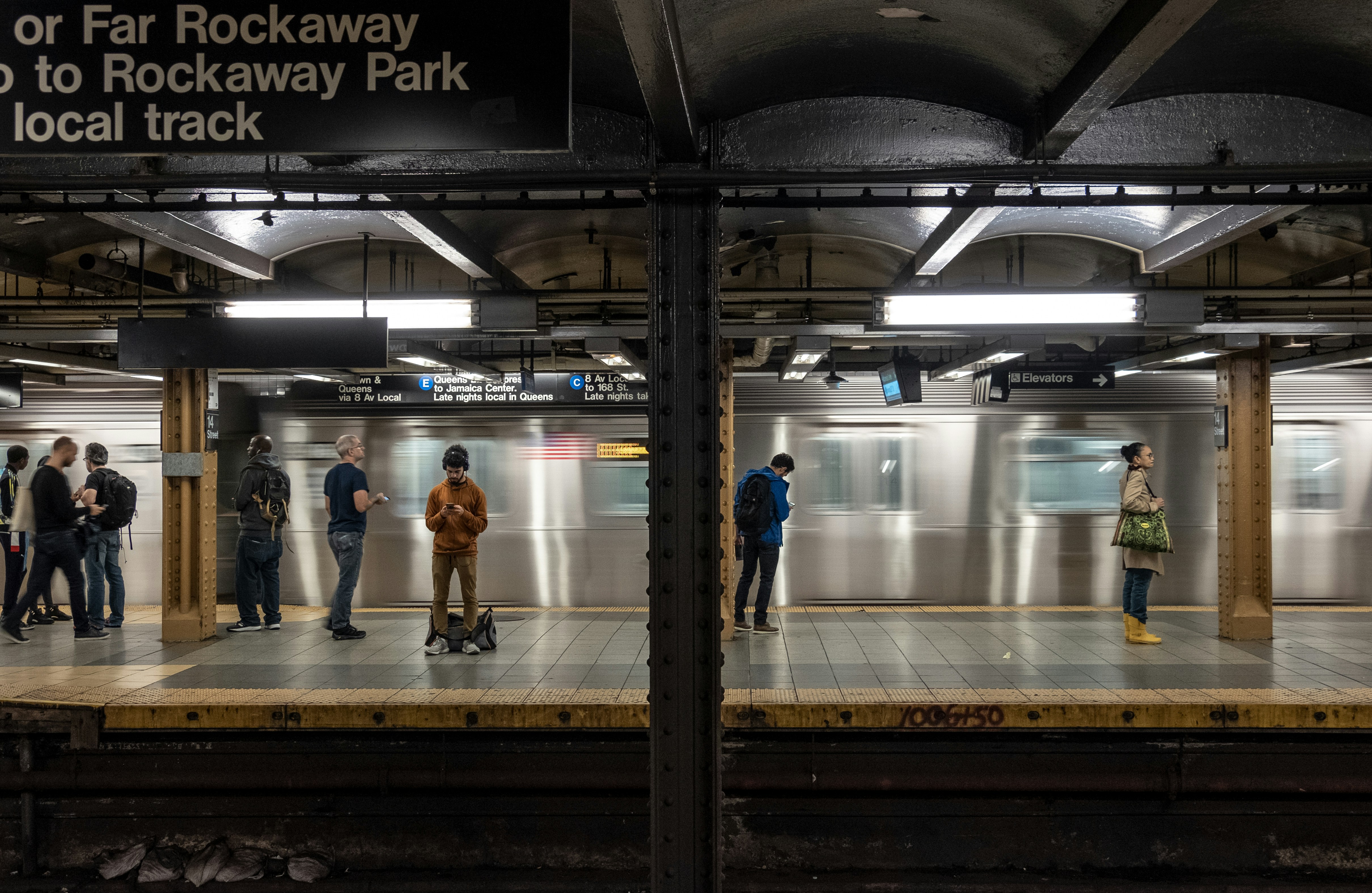
How can we improve customer experience?
To promote paid transit ridership, NYC regional agencies are seeking tools to enable a faster, more efficient, cleaner, and safer transit experience.


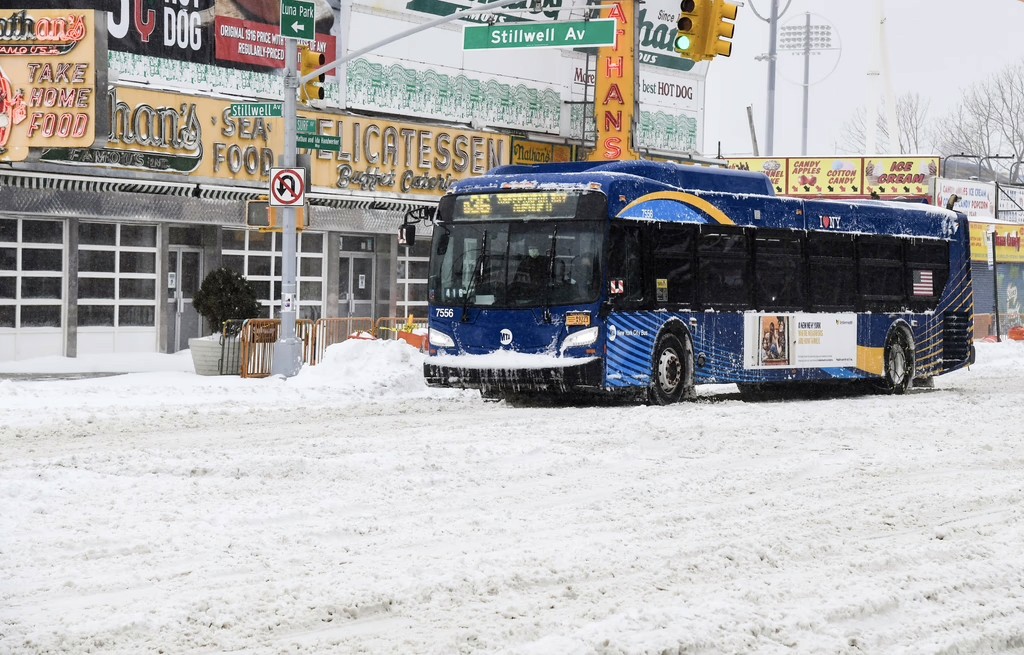
Resilience Challenge • 2024
How can we build a more resilient and adaptive transit system?
As extreme weather exacerbated by climate change continues to threaten our critical infrastructure, NYC regional transit agencies are seeking new tools to become more adaptive and responsive to 21st century challenges.





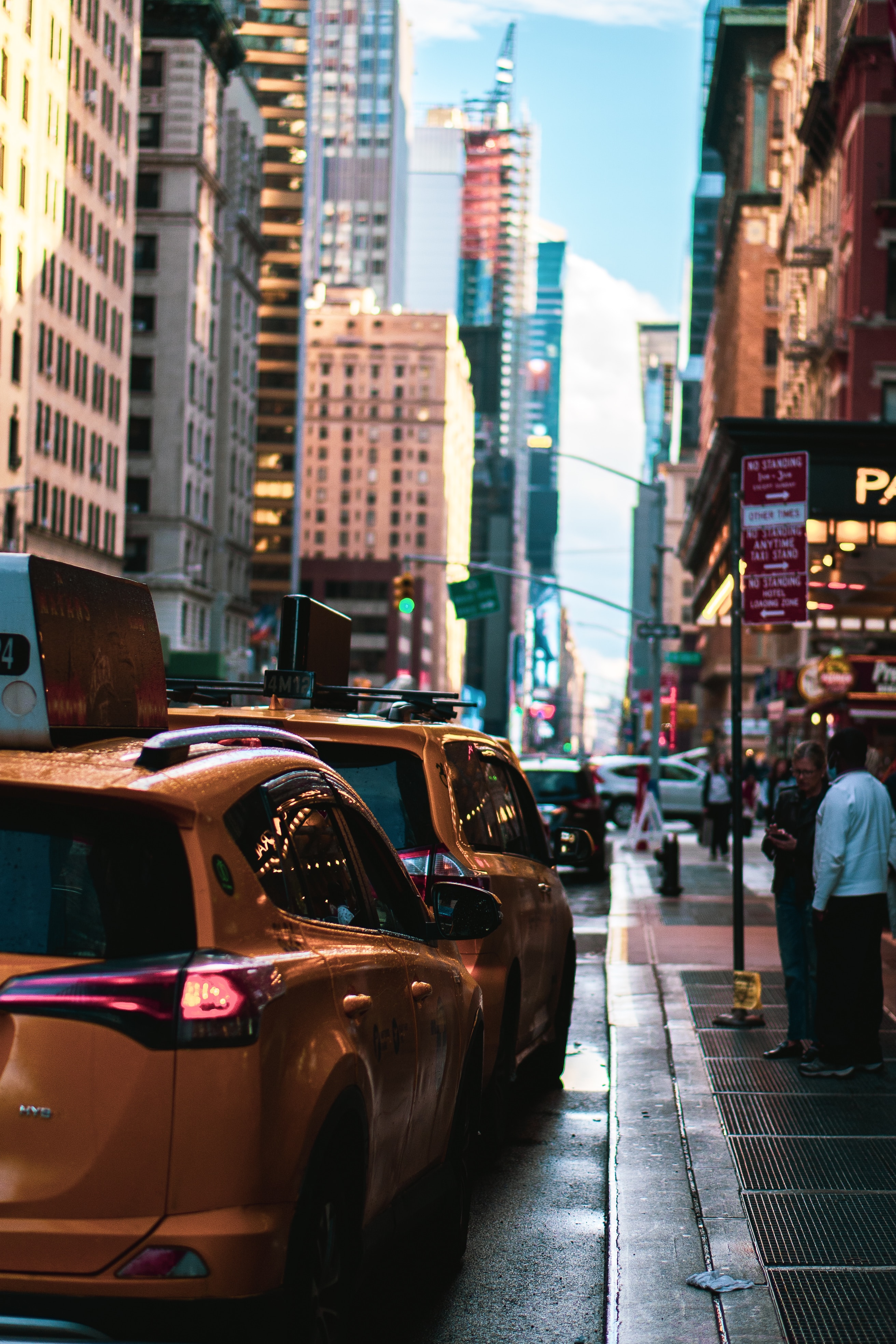
NYC DOT Curb Activity Challenge • 2024
How can we maximize the city’s curb space to serve the multiple and varied needs of New Yorkers?



Human Capital Challenge • 2023
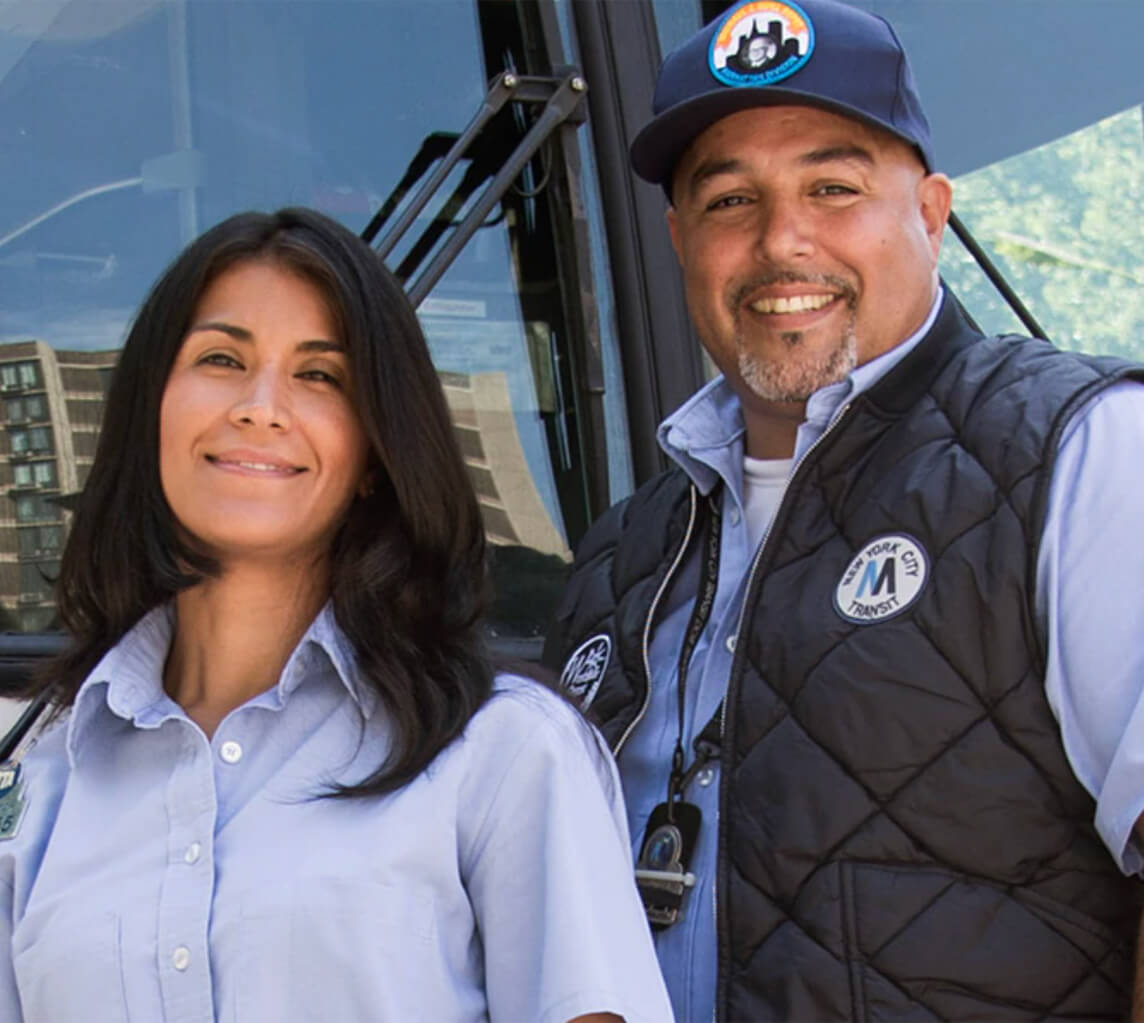
How do we best utilize human capital resources?
NYC regional transit agencies, along with other public transportation agencies across North America, are facing a workforce shortage. To meet service needs, agencies are seeking tools to improve employee recruitment and retention through the Human Capital Challenge.


Operational Efficiency Challenge • 2023
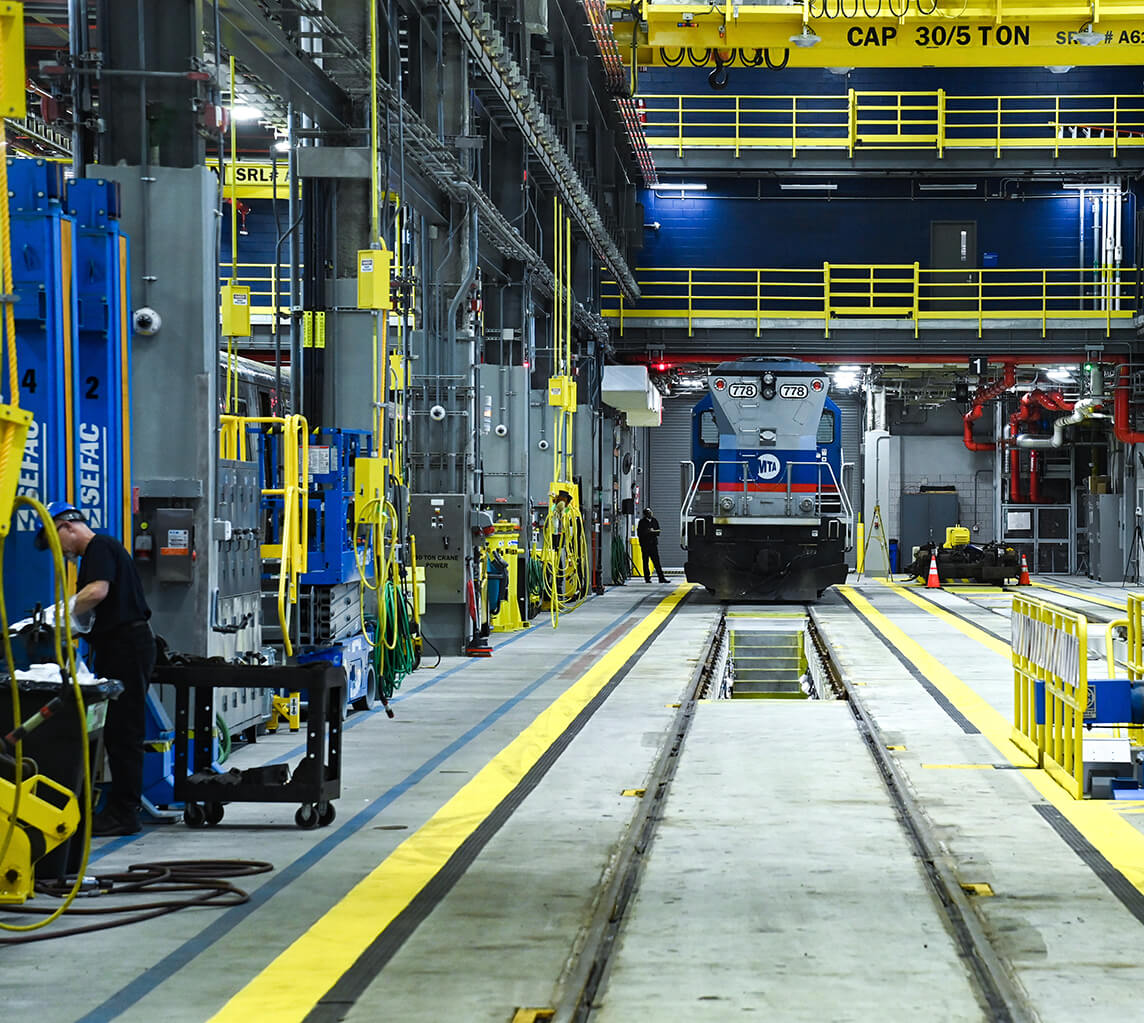
How do we utilize new tools to increase operational efficiencies?
In response to post-pandemic reduced ridership and revenue, NYC regional transit agencies are seeking tools that can reduce costs while increasing efficiency.











Recovery Challenge • 2022
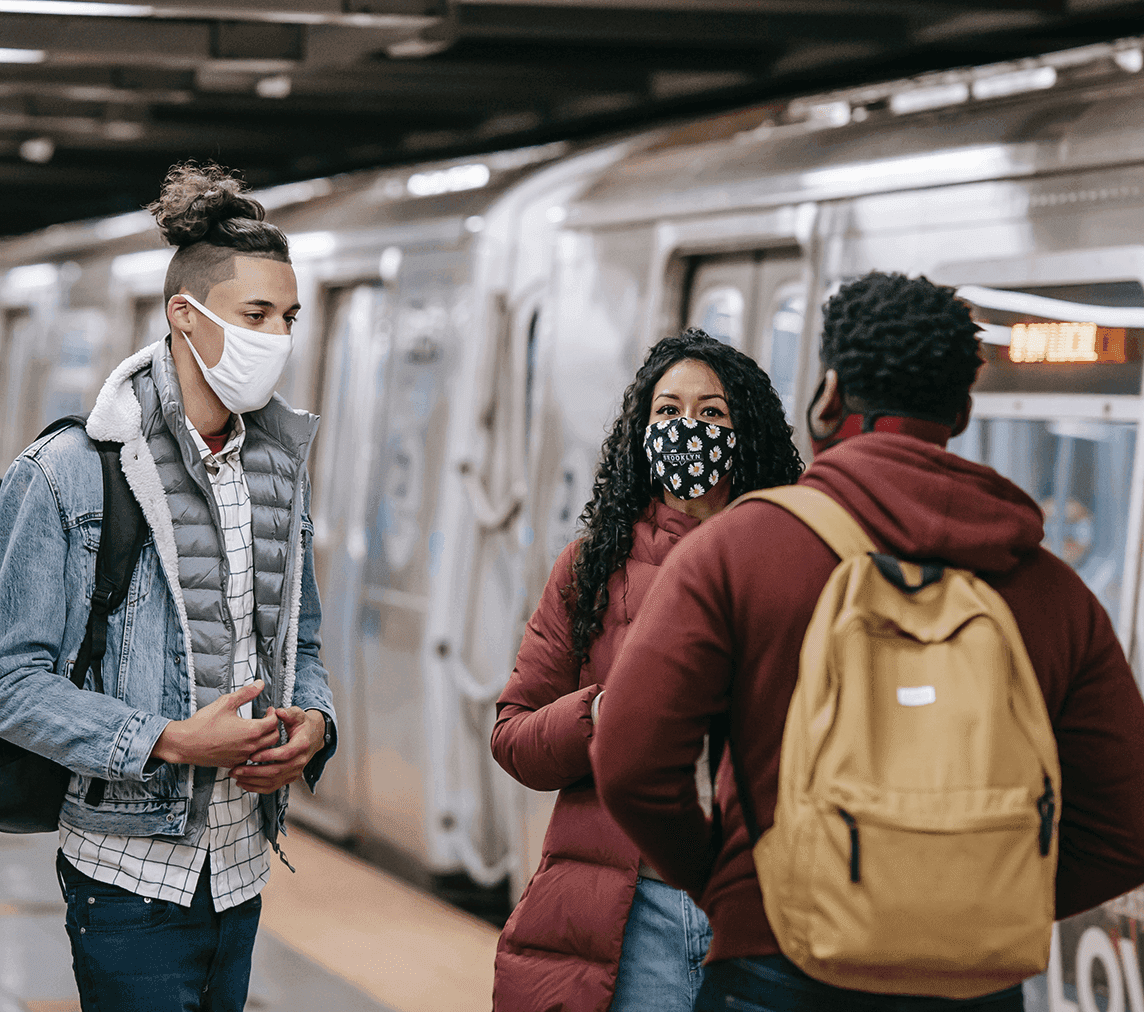
How can we support the recovery of public transit and deliver service that gets customers back?
The COVID-19 pandemic has altered mobility patterns for millions of citizens who rely on public transit. As New York recovers it is vital to reimagine public transit to meet its evolving needs.




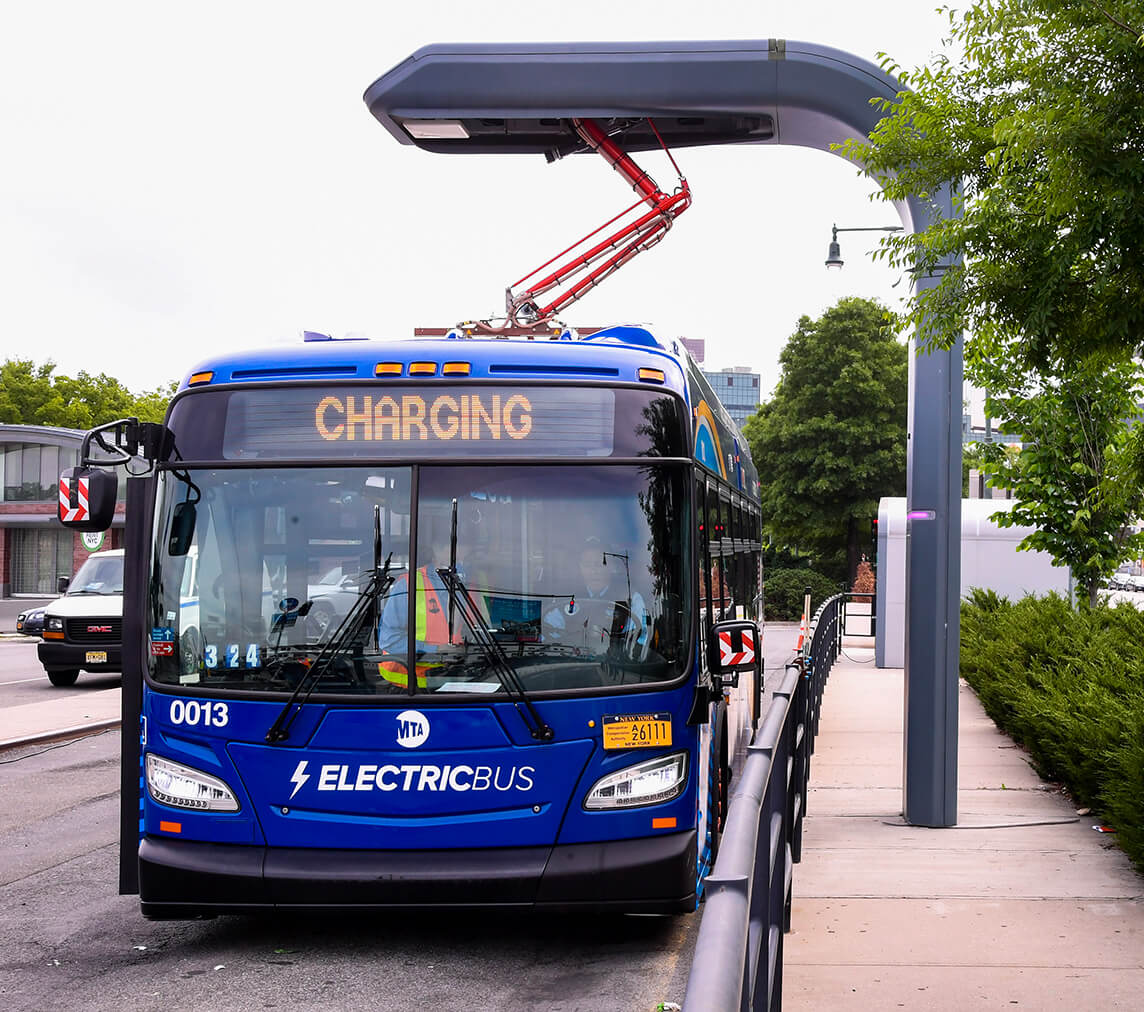
Sustainability Challenge • 2022
How can we build a more climate resilient transportation system and increase energy efficiency of fleets and facilities?
Extreme weather is now becoming frequent as a result of a warming planet. Bus, rail, and subway operations have been impacted by extreme weather events, including flash floods and winter storms.



COVID-19 Challenge • 2021
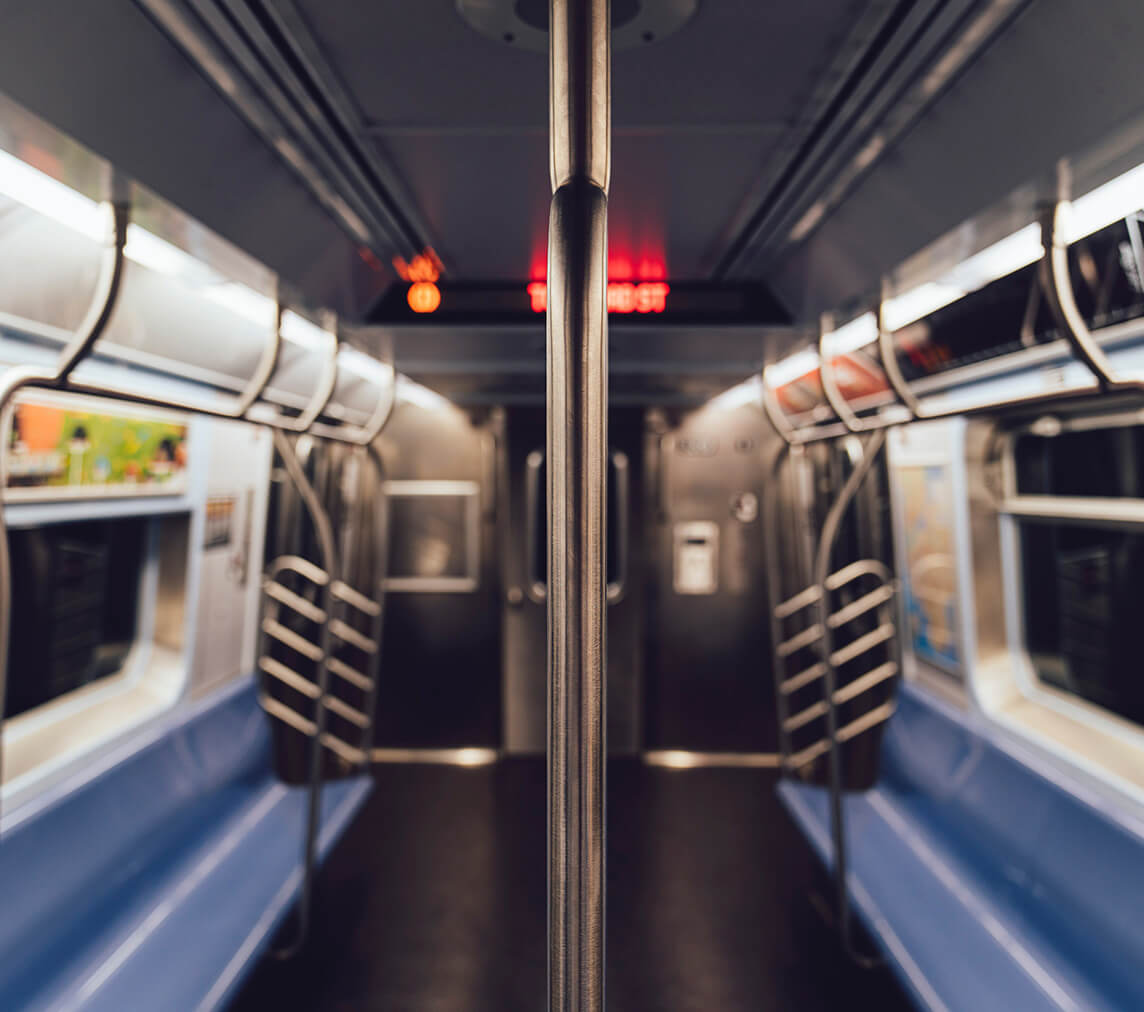
How can we make transit safer, healthier and more responsive amid the COVID-19 pandemic?
The COVID-19 pandemic has introduced unprecedented challenges in public transit. As New York recovers and rebuilds, it is vital to reimagine public transit to meet its new challenges.





Signaling Challenge • 2021
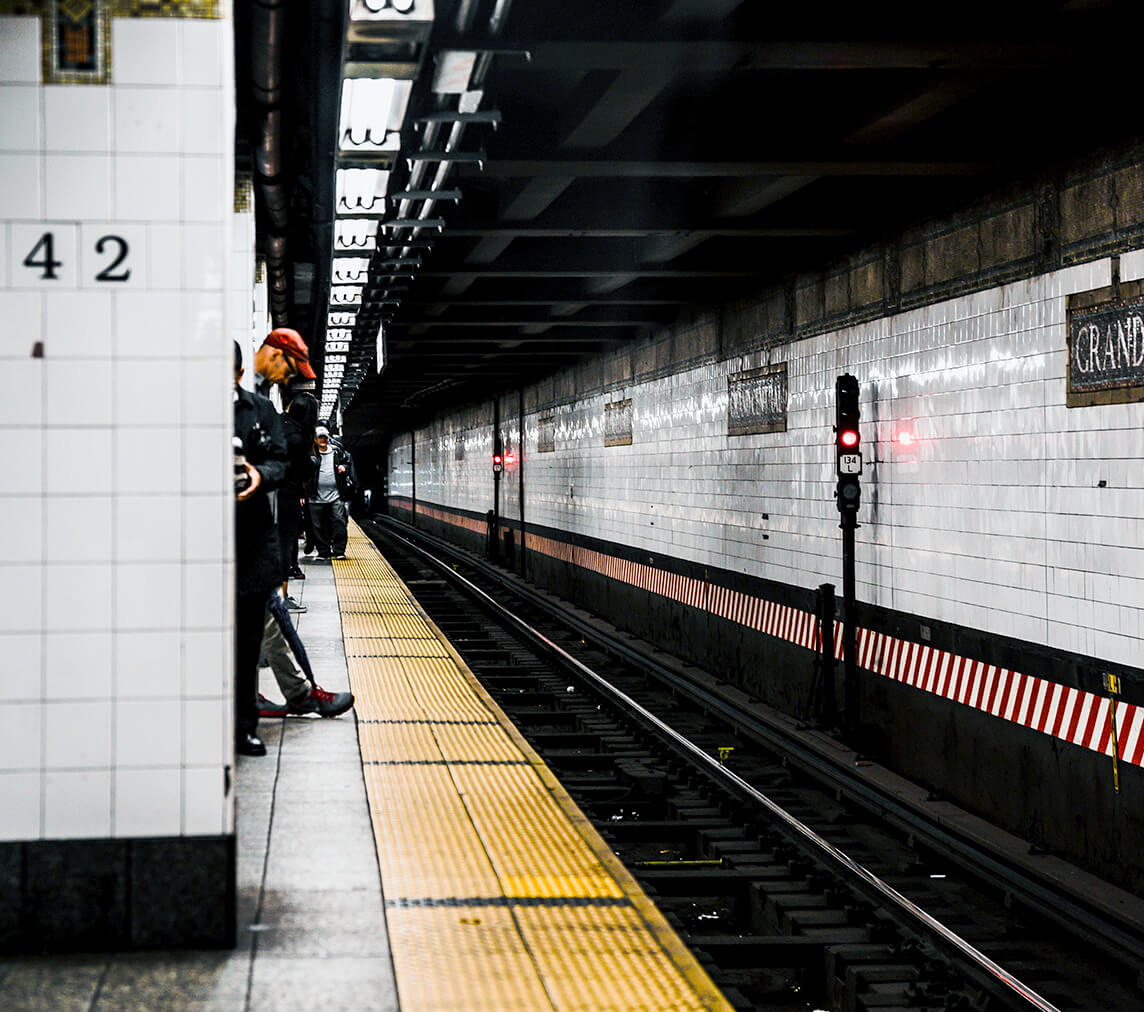
How can we modernize the subway signaling system faster and at lower cost?
MTA subways are controlled by an aging signaling system. By digitizing this signaling system, the MTA can safely and reliably run more subways cars more closely together, increasing capacity and making travel more enjoyable.


Accessibility Challenge • 2020
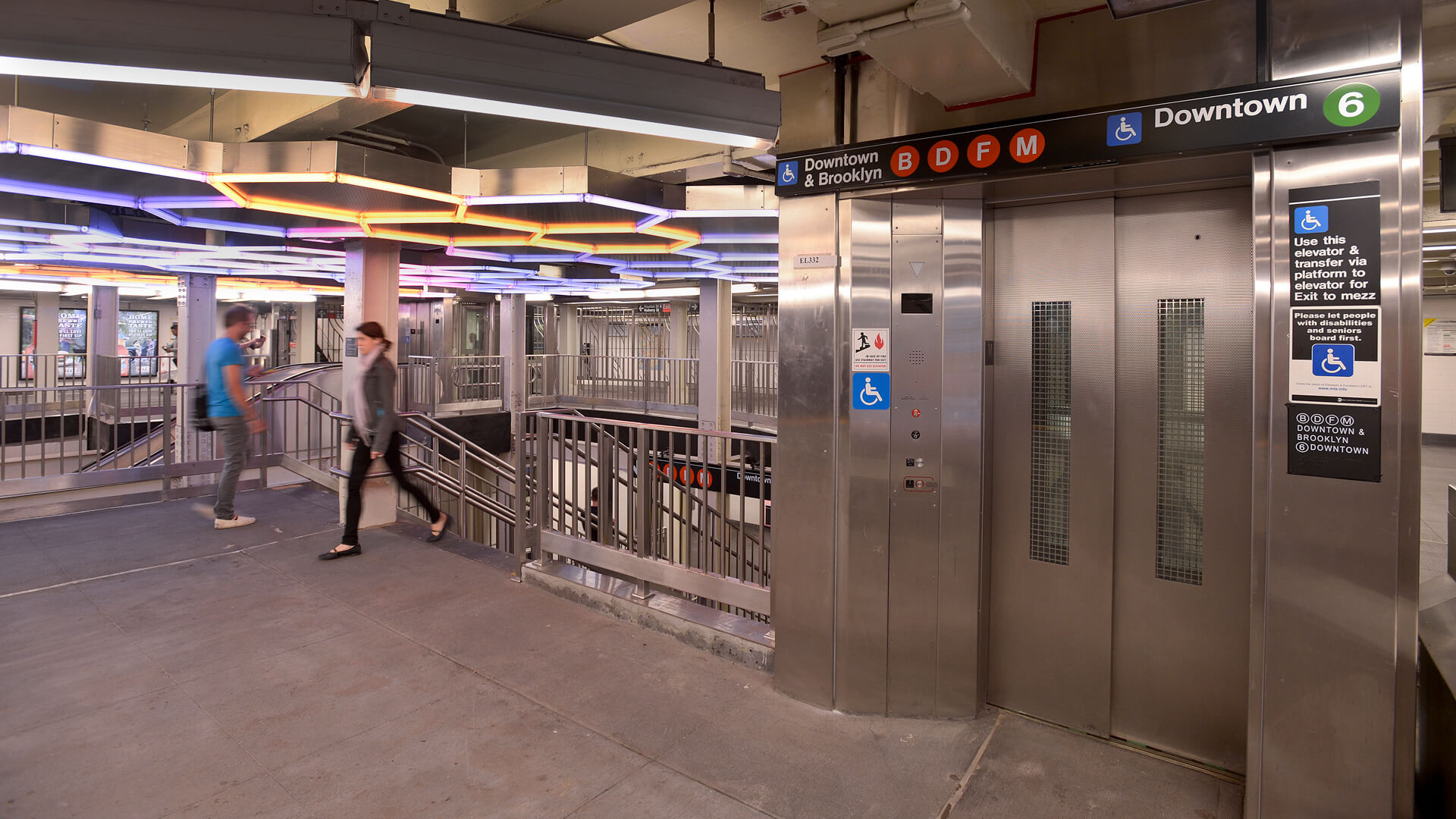
How can we make New York’s public transit system more accessible?
Today, New York’s transit system can be challenging for disabled customers: Only 25% of subway stations are wheelchair accessible and information is often communicated exclusively via visual signage or audio announcements. As reflected by the 2020-2024 Capital Program, the MTA is committed to improving accessibility for all.




Curb Coordination Challenge • 2020
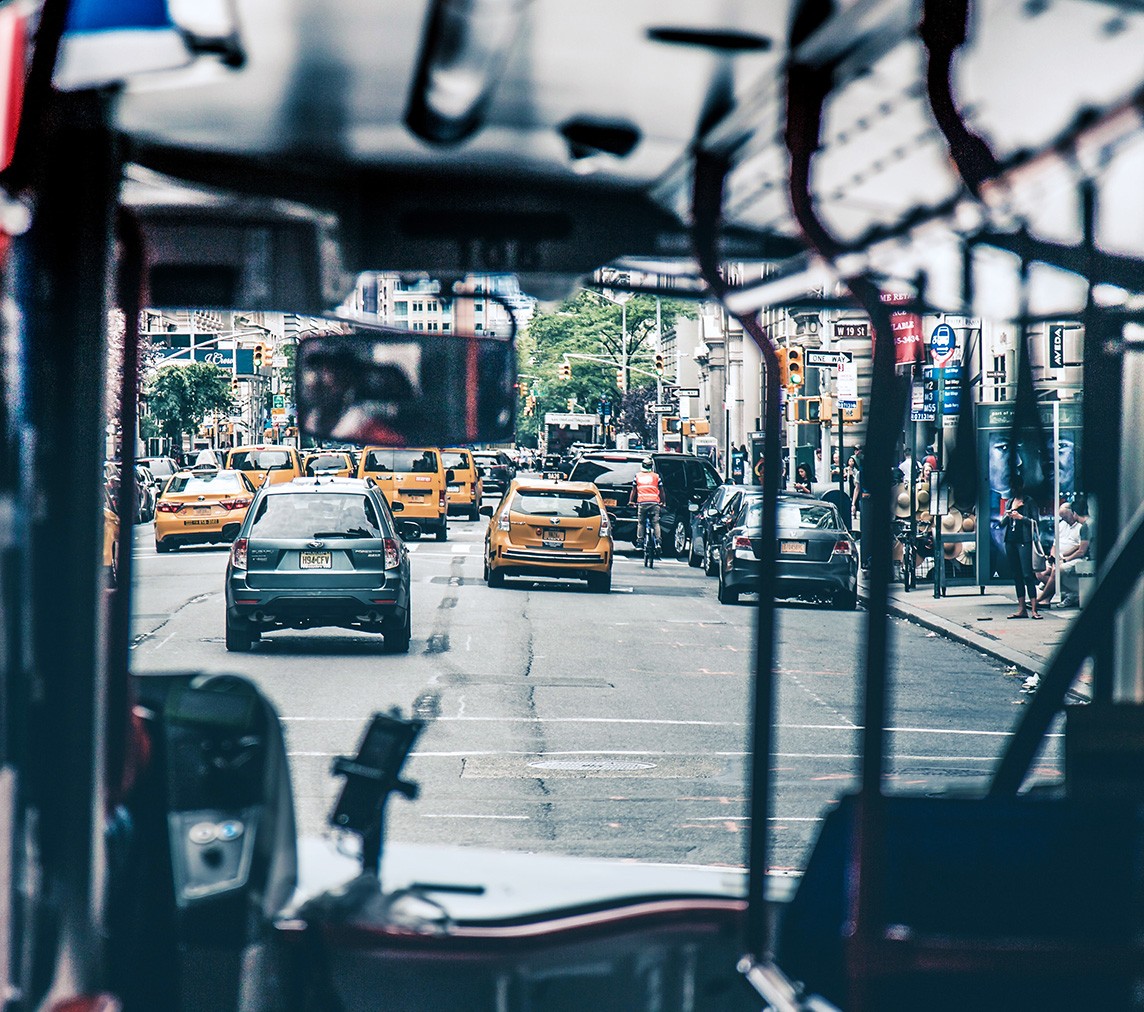
How can we reduce traffic by improving coordination at the curb?
Record traffic in New York City cost the $20 billion annually in lost productivity and excess costs. The Transit Tech Lab sought solutions to coordinating traffic at the curb among passenger cars, for-hire vehicles, public buses, commercial trucks, commuter vans, tour buses, bicycles and pedestrians.



Bus Challenge • 2019
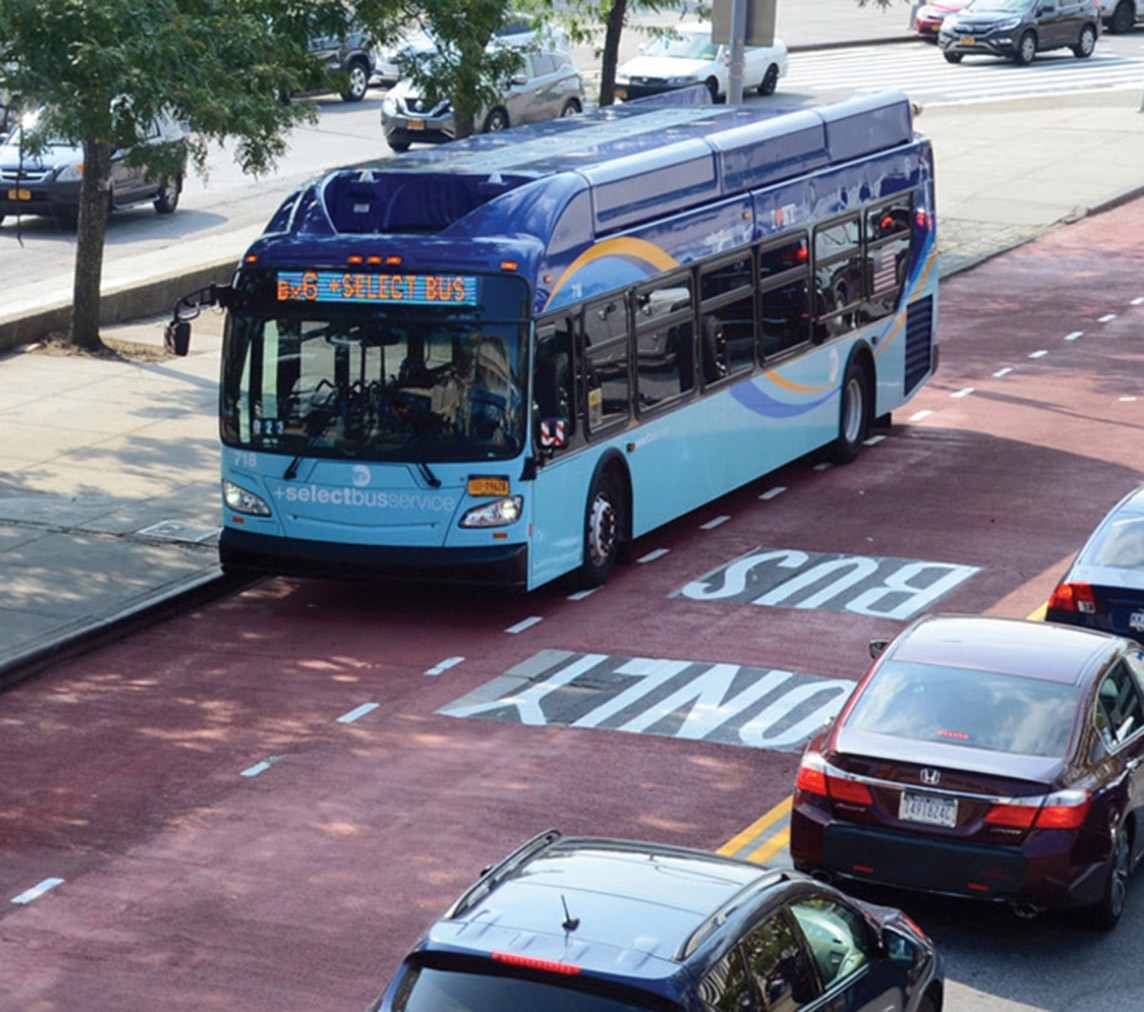
How can we make buses faster and more efficient, especially in bus lanes?
Traffic has increased in New York City and bus lanes are often blocked. As a result, buses travel more slowly than ever. In midtown Manhattan, the average bus speed is as low as 3.4 mph, comparable to a New Yorker's walking speed.


Subway Challenge • 2019
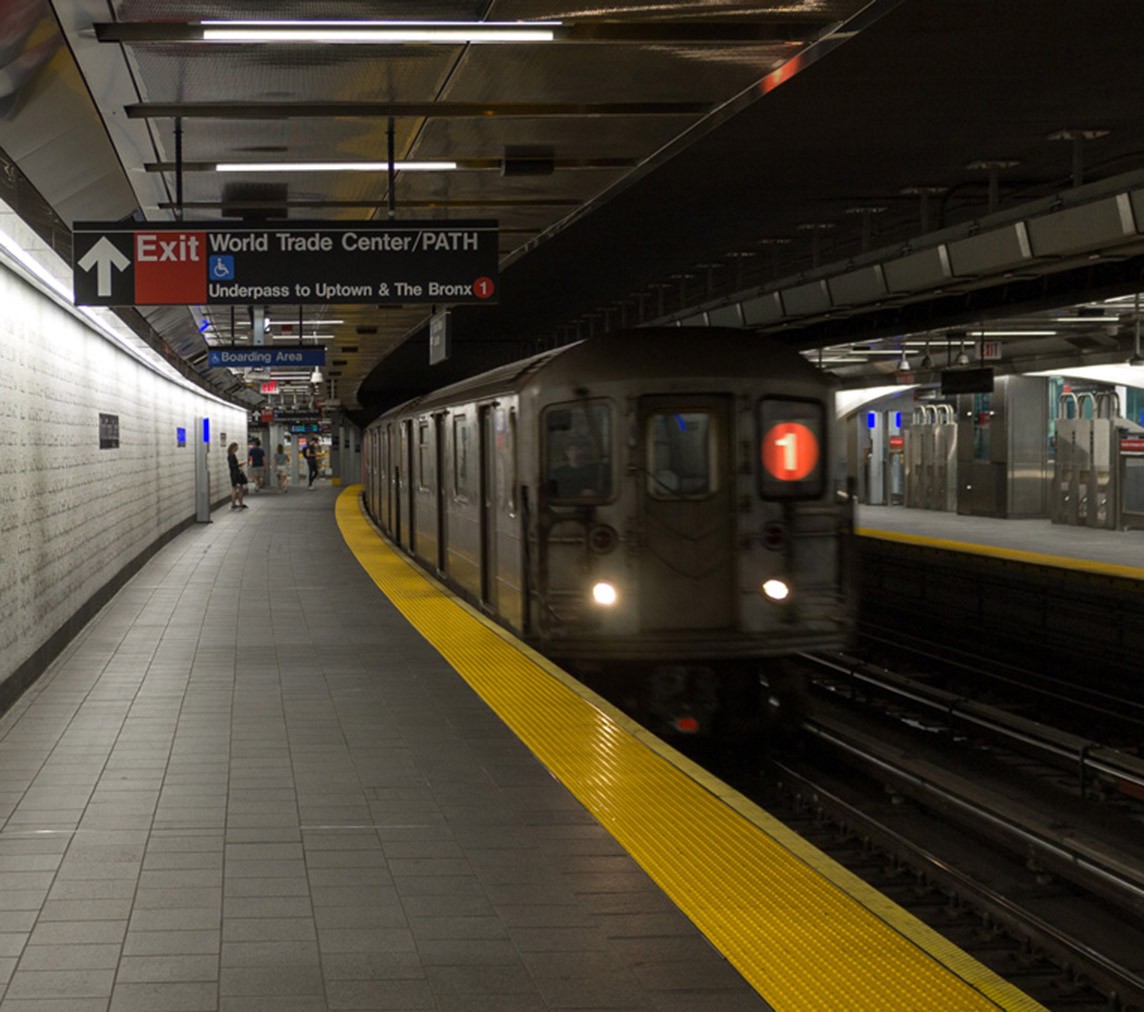
How can we better predict subway incident impacts and serve customers?
New York City Transit serves an annual subway ridership of over 1.7 billion, runs nonstop 365 days a year and spans 472 stations. With 5.6 million passengers and over 8,200 trips per weekday on routes with multiple merge points, numerous types of incidents occur each day resulting in over 2,500 delays per weekday.